View


Scale
Professionalism
Evaluation
Audience
Marketability
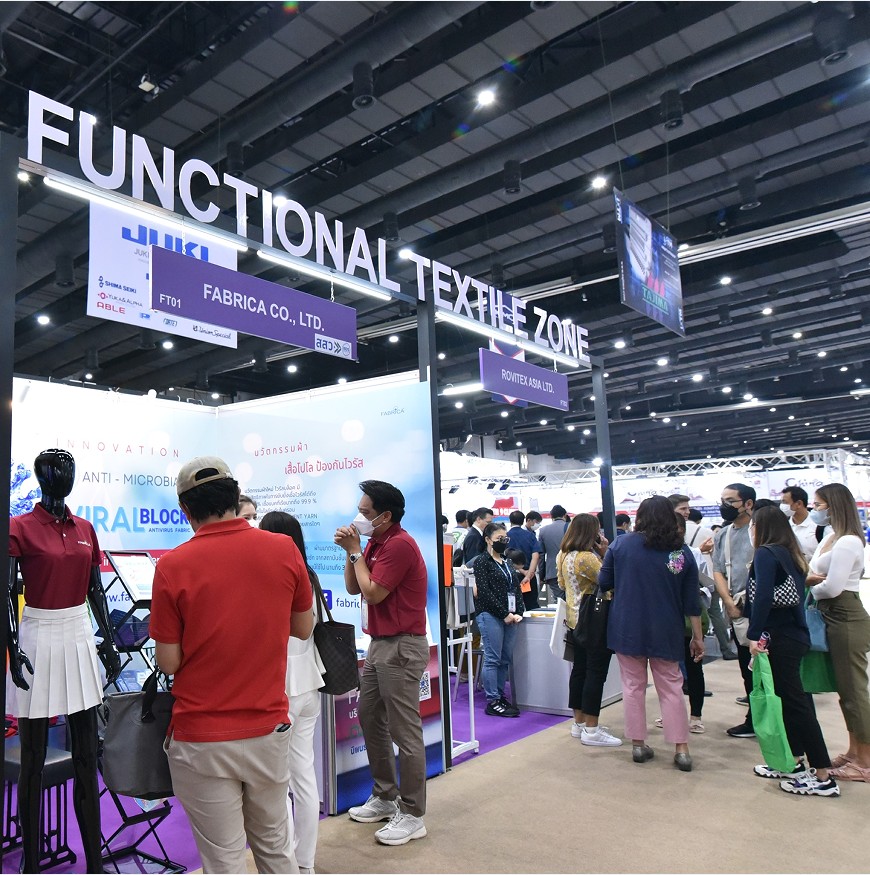
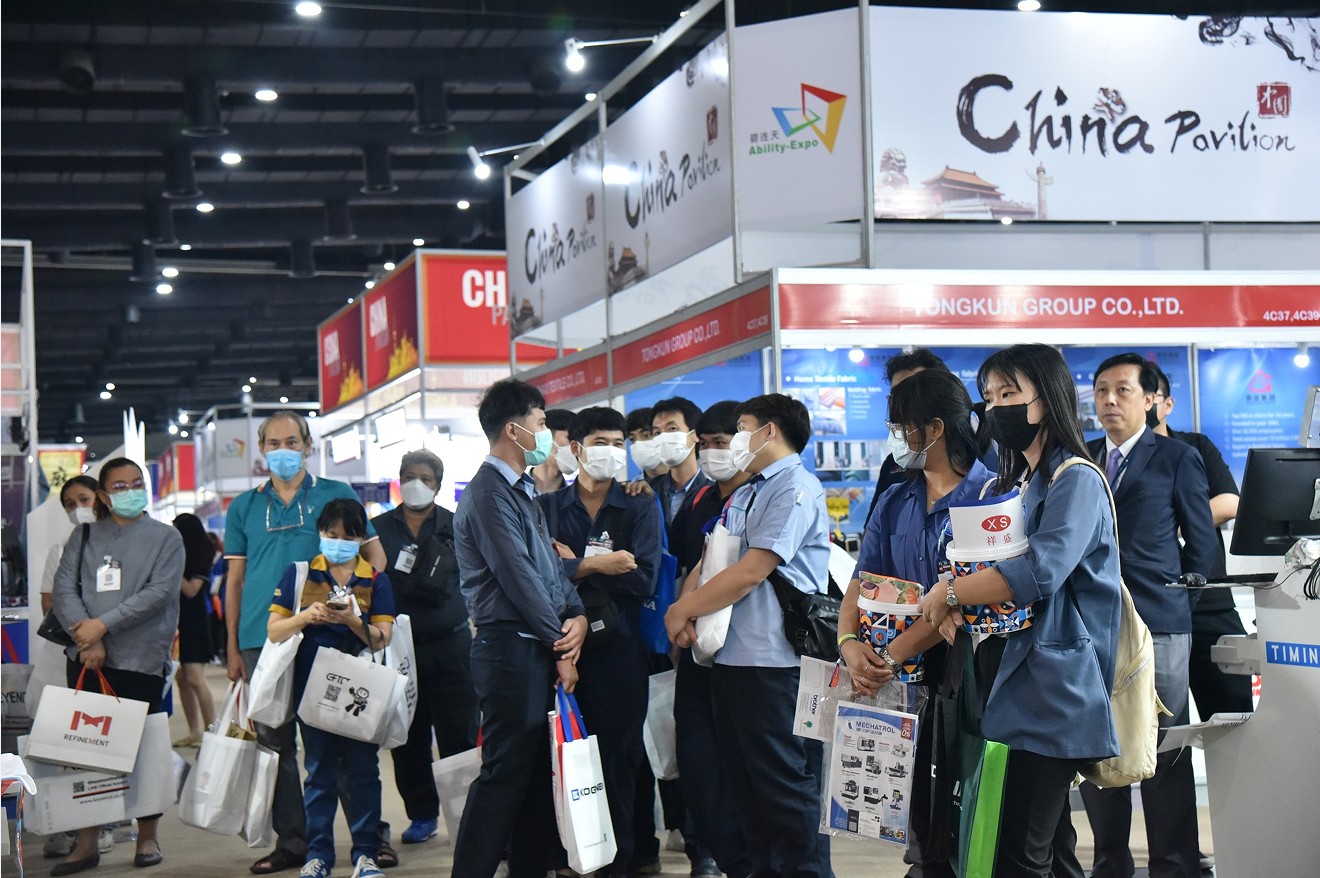
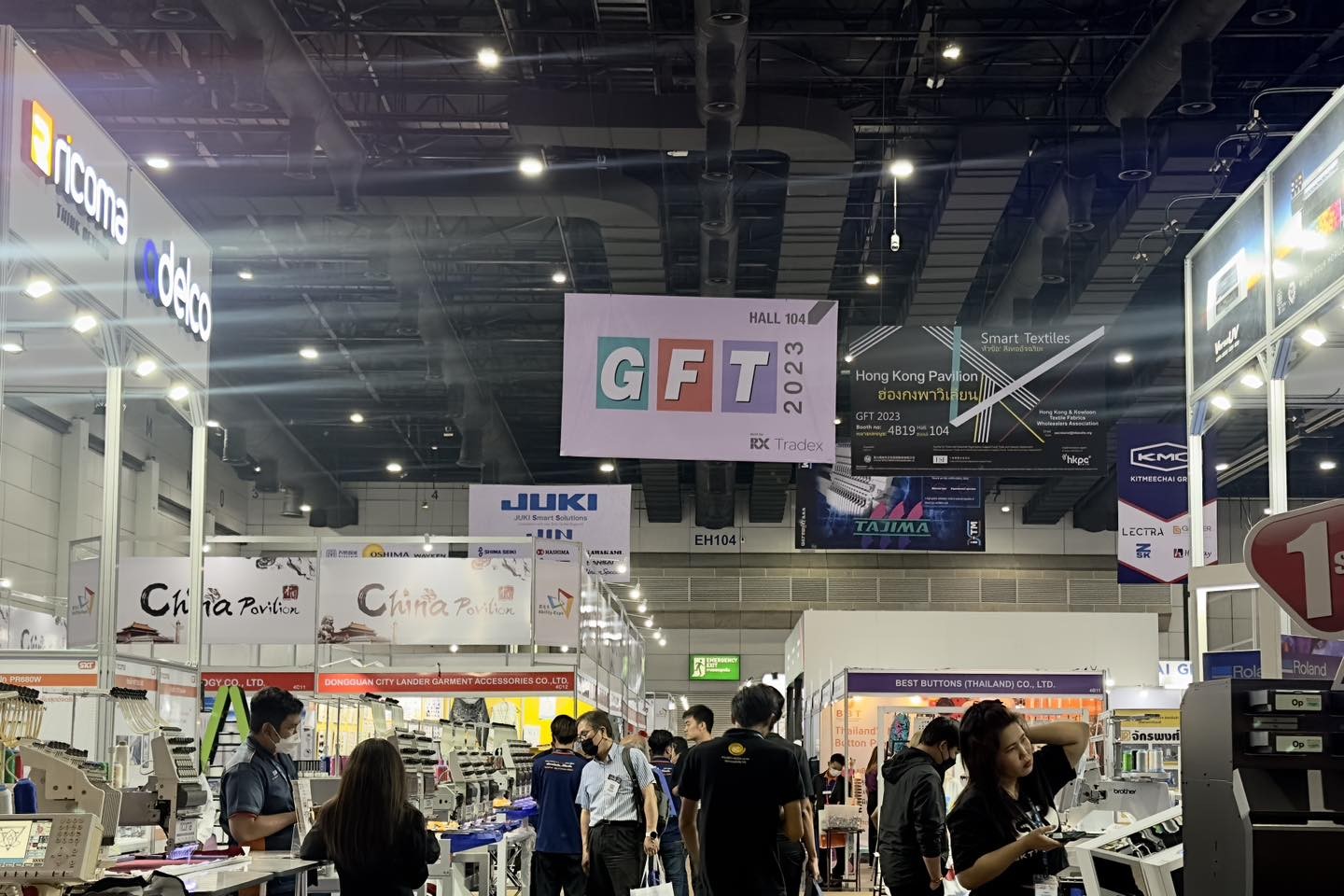
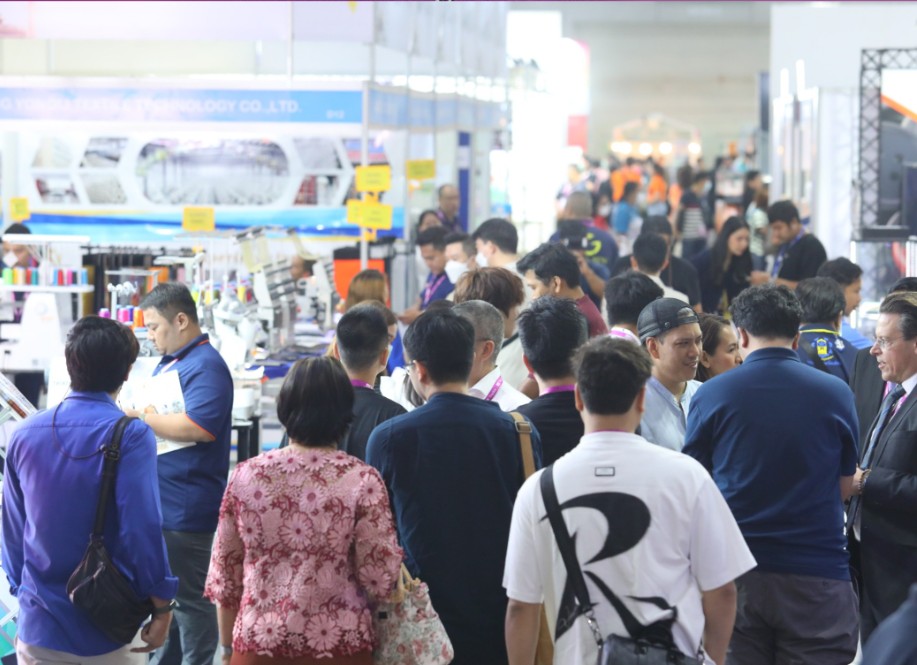
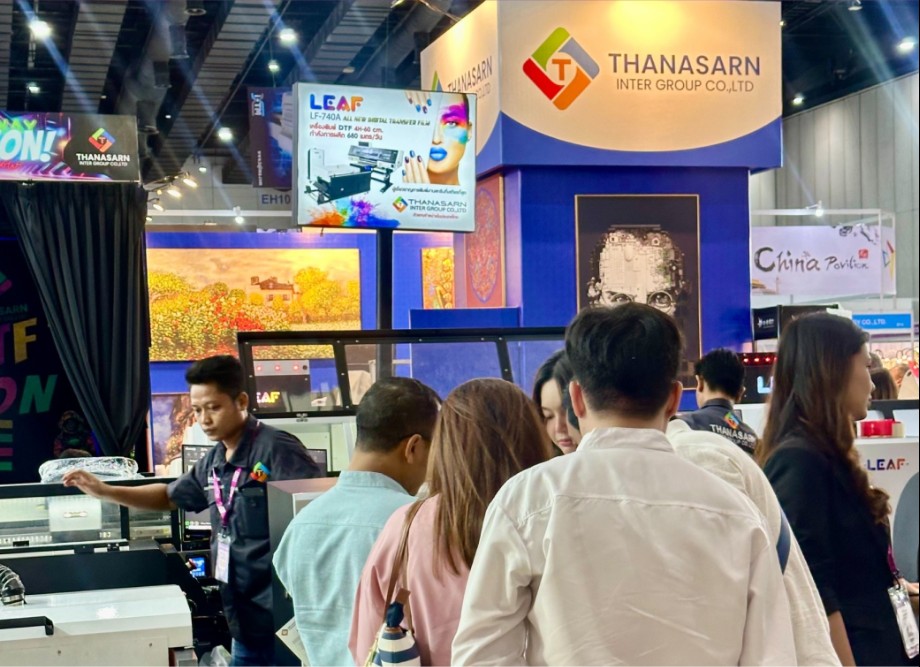
Exhibition data: Last date: 2012; total number of exhibitors: 310; total number of visitors: 23,597
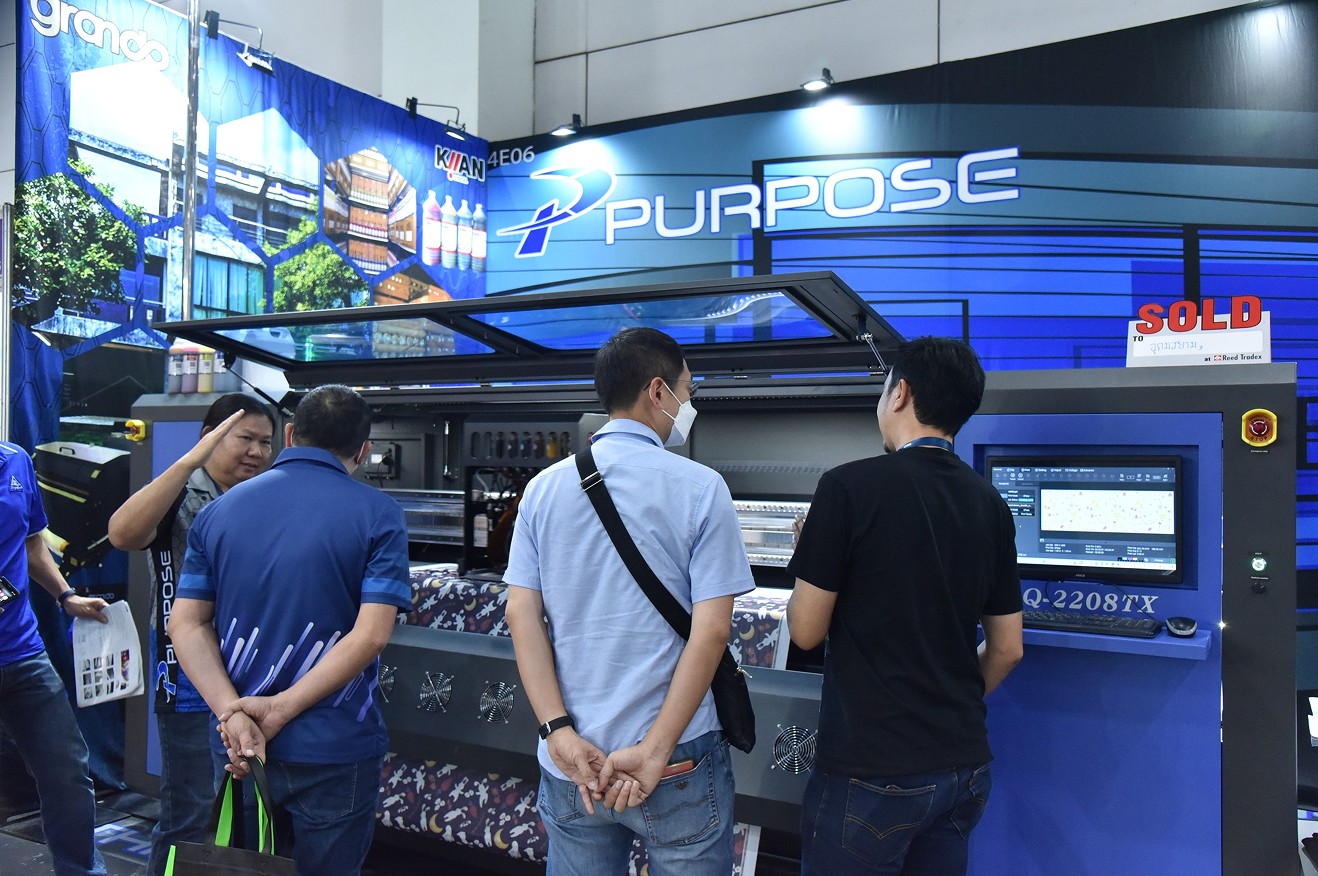
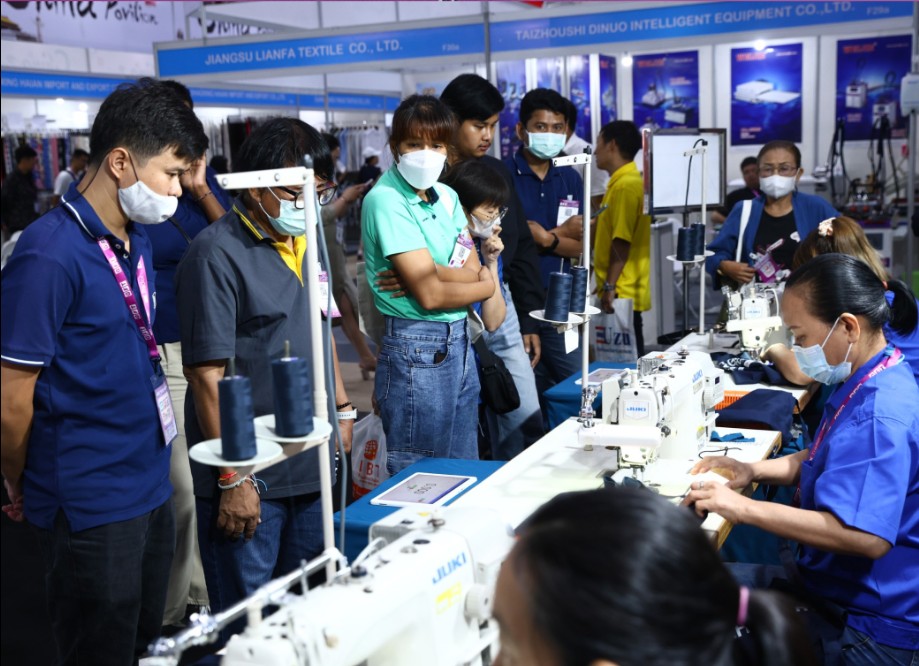
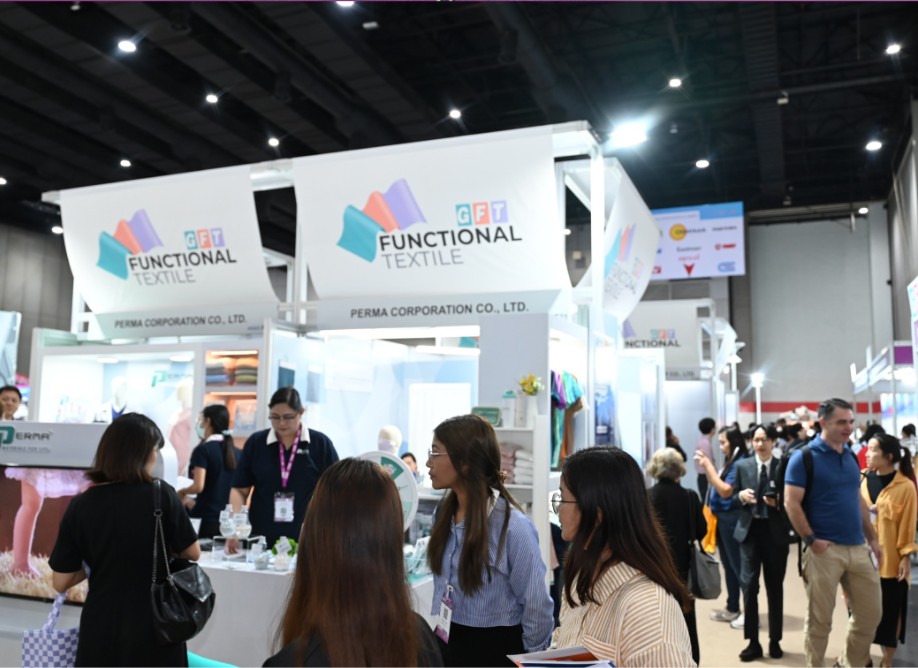
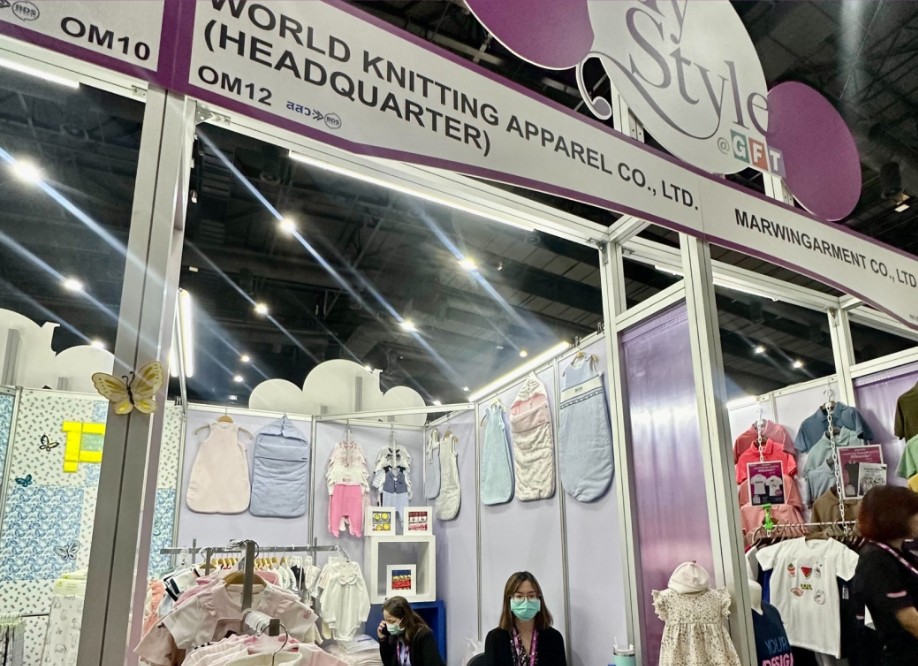
Exhibitor Structure: Overseas and local manufacturers, suppliers, distributors, exporters and agents
Visitors: Apparel and textile producers, fabric importers, machinery importers and exporters, factory managers, engineers and designers, government officials, quality control and R&D personnel in Thailand, Southeast Asia and from all over the world
Exhibition activities: Conference on the latest prospects and technical management of textile fabrics for the textile and apparel manufacturing industry. Technical seminar for equipment suppliers Yau products
Source of audience:
Apparel and textile manufacturers, entrepreneurs, machinery sellers, exporters, fashion designers and manufacturers, fabric importers, distributors, production/factory managers, engineers, technicians, procurement managers, quality assessment/control personnel, R&D personnel, Government officials from Thailand and other countries in the region.
The textile and apparel industry is Thailand's largest manufacturing industry, with a total of 5,000 factories and 1 million employees, accounting for nearly 20% of the total manufacturing employment, and the total GDP accounts for 17% of Thailand. The annual export volume of textile and apparel amounts to more than 7 billion US dollars, making it Thailand's second largest export industry. Among them, apparel exports account for 55%, Thailand ranks 13th among the world's apparel export countries, accounts for 2% of the global market share, and textile exports ranks 14th in the world. The United States is the largest buyer of Thai textile and apparel, accounting for 1/3 of all Thai exports, and apparel accounts for more than half, followed by the European Union, Southeast Asia, East Asia, and the Middle East.
The Thai textile industry covers all links in the entire industrial chain from fiber to garment production. Although Thailand is not rich in textile raw materials, it produces many chemical fibers and forms a complete supporting industry, including fiber, spinning, weaving, knitting, bleaching, dyeing , Printing and finishing, as well as garment production and home textiles. There are 18 man-made fiber processing factories (15,500 employees), 154 spinning factories (61,750 employees), 673 weaving factories (57,880 employees), 675 knitting factories (60,280 employees) and 414 printing and dyeing factories (47,200 employees) ). There are also 150 sets of printing and dyeing equipment concentrated in spinning, weaving and knitting enterprises.
In addition, there are 2,658 apparel companies with 841,520 employees, which does not include small factories with only 20 sewing machines. In the sewing factory, about 10% of the enterprises are large enterprises (the number of employees exceeds 1,000), 40% are medium-sized enterprises (the number of employees is between 200-1000), and the remaining 50% of the companies have fewer than 200 employees.
From the equipment point of view, there are 3.67 million spindles, 130,000 looms, of which 50-60% are shuttleless looms, 110,000 modern knitting equipment and 758 thousand sewing equipment.
The amazing opportunity for Thai noodle accessories and the Chinese market:
Thailand's apparel and textile industry is showing steady growth. The Thai market has invested more energy in developing products with high added value, especially environmentally friendly products. The above products account for about 10% of Thailand's textile and apparel exports. In 2010, Thailand’s clothing and textile exports reached US$3.21 billion, an increase of 8.27% compared to the same period last year. From the category of export products, clothing exports ranked first, up to 88 million US dollars; followed by non-woven fabrics and yarns, its exports reached 78.9 million US dollars; synthetic fibers and staple fibers ranked Ranked third, the total export value was 23.6 million US dollars; in addition, the export value of home textiles reached 11.6 million US dollars, and the export value of embroidery and mesh fabrics was 4.6 million US dollars each. The United States has always been the largest export market for Thai clothing. In 2010, Thailand’s clothing exports to the United States reached US$1.26 billion, an increase of 7.26% compared with the same period last year. The EU (export value of 1 billion US dollars) and Japan (export value of 253 million US dollars) ranked second and third, compared with the same period last year, Thailand's clothing exports to the two regions have risen respectively 4.69% and 11.73%.
According to a report issued by Adsale Publishing Ltd., Thailand’s clothing exports to the ASEAN region amounted to US$118 million, a year-on-year increase of up to 34.51%. At the same time, the Thai apparel and textile market has high technical requirements for printing machinery, as well as related printing and graphic arts workshops.
According to news released by the Ministry of Commerce, Thailand’s garment and textile industry’s imports of printing machinery in 2010 were approximately US$895 million, a 29% increase from 2009. Thailand mainly imports the above printing machinery from Japan, followed by China, Singapore, Germany, Malaysia, Indonesia, Ireland, the United States, and Taiwan. Currently, the labor gap in the Thai apparel and textile industry is 30,000, and the gap will reach 100,000 in the future. According to data released by Fibre2Fashion News Desk (India), of the 700,000 apparel and textile industry employees, only nearly 450,000 are officially employed by apparel companies. This also means that the industry needs more workers who can work in local clothing and textile production companies for a long time.
In 2008, the Thai government allocated nearly US$72.7 billion to the apparel and textile industry to purchase related machinery and technology. Thailand Textile Institute (THTI) said that Thailand still needs to spend US$145.5 million in capital
Textile Machinery: Front spinning machinery, manual fiber production, spinning machinery and accessories; winding, texturing, twisting machinery and accessories, knitting and hosiery, knitting and embroidery machinery, and spare parts; Washing, bleaching, dyeing, printing, drying, finishing, shearing, winding and folding equipment and related supporting facilities; nonwoven web forming, bonding, finishing, shrinking machinery and accessories
Weaving, tufting machinery and apparel machinery: sewing machine, sewing machine transmission and control system, sewing machine motor, selvedge machine, sewing machine accessories and parts cutting equipment, laser equipment; CAD/CAM/CIM system; garment manufacturing machinery, ironing Ironing and steaming equipment and accessories, grinders, knife and scissors labeling machines, washing machines, leather machinery
Fabric: weaving, knitting, chemical fiber, printing, cotton, hemp, silk/ Silk-like, wool/hair-like, functional fabrics, lace embroidery fabrics, etc.
Accessories: interlining, zippers, string belts, signs, buttons, webbing, lace, hangers, etc.
Others:Dye chemical industry for textiles, printing and dyeing auxiliary, etc.曼谷国际贸易会展中心 Bangkok International Trade & Exhibition Centre
Area:30000
Add:泰国 - 曼谷 - 88 Bangna-Trad Road, Bangna, Bangkok 10260
jinh
欧真自动化科技(上海)有限公司
View
展运全球 Jimmy 运
广东协邦物流有限公司
View
李珍
南京维特斯展览有限公司
View
货代
深圳市旭达国际货运有限责任公司
View
北京华顺商旅-小梁
北京华顺国际旅行社有限公司
View
李跃超
肃宁县星之光制衣有限公司
View
liqifeng
浙江励童母婴用品有限公司
View

蔡嘉怡
青岛土田朵服饰科技有限公司
View

136国8681际9023展会物流
深圳市中亚运通展览服务有限公司
View

会136展7651运5390输
深圳市中亚运通展览服务有限公司
View

展会物流136****9023
深圳市中亚运通展览服务有限公司
View
特价机票v:MR-TJL
河北企航商务服务有限公司
View

For reference only, the actual booth configuration shall prevail

For reference only, the actual booth configuration shall prevail
 India textile machinery exhibition
2026.12.04 ~ 12.09 Subscribe
 GTE expo India
2026.09.18 ~ 09.20 Subscribe
 ITMA&CITME EXPO ASIA
2026.11.20 ~ 11.24 Subscribe
 Texprocess Expo Frankfurt Germany
2026.04.21 ~ 04.24 Subscribe
 CLOTHING MACHINERY Expo Istanbul Turkey
2026.06.09 ~ 06.13 Subscribe
 Textile & Garment Expo Ho Chi Minh City Vietnam
2026.10.14 ~ 10.17 Subscribe
 Emitex Simatex Confemaq
2026.05.19 ~ 05.21 Subscribe
 ITMA Expo Milan Italy
2027.09.16 ~ 09.22 Subscribe
 Expo Textil Peru
2026.11.05 ~ 11.08 Subscribe
 Texprocess Americas
2027.05.11 ~ 05.13 Subscribe
 Heimtextil Expo New Delhi India
2027.12.08 ~ 12.10 Subscribe
 Emitex, Confemaq y Simatex
2026.05.19 ~ 05.21 Subscribe
Copyright © Hangzhou Quzhan Network Technology Co., Ltd.
浙ICP备15027784号-2
 浙公网安备 33010302002903号
An exhibition network that provides one-stop service for international exhibitions and exhibitions. Provide the most comprehensive international convention and exhibition center exhibition reports and foreign exhibition information, and provide one-stop convenient service for you to participate in the exhibition